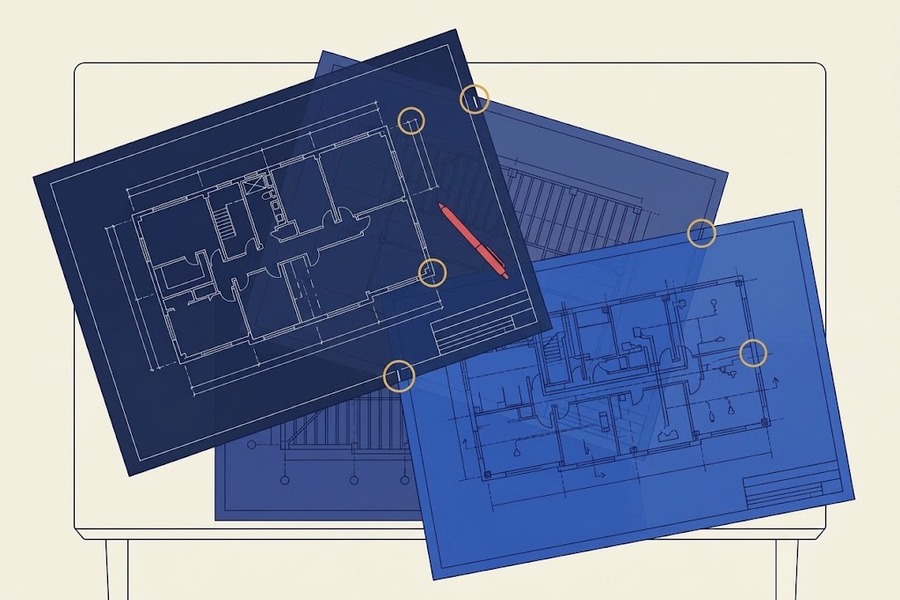
Common design errors in construction drawings, and why reviewers keep missing them.
AUTHOR
Frank Kalman
Frank Kalman is Built’s editor-in-chief. A graduate of Northwestern University’s Medill School of Journalism, Frank has been a business writer, editor, content strategist and marketer with more than a decade of experience contributing to and running digital publications in a variety of industries.
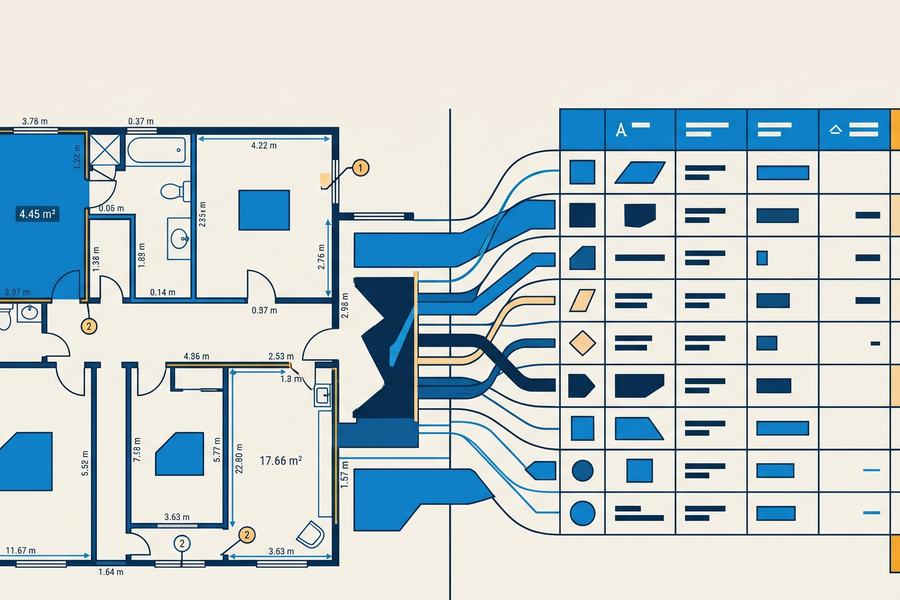
Quantity takeoff, material takeoff and cost estimate are three different jobs. When they collapse into one, you lose the ability to answer the only question that matters in review.
The hidden price tag on familiar workflows — and why the math is getting harder to ignore.
The most-repeated line about the construction industry is that it resists change. The people doing the work are telling a different story, if anyone will listen.
Fast and defensible aren’t opposites. The takeoff is where you prove it — seven steps to a number that holds up when someone’s trying to tear it apart.
Jean-Pierre Trou spent 20 years designing buildings in Austin. Then he built the AI that reviews them, without ever putting down his red pen.
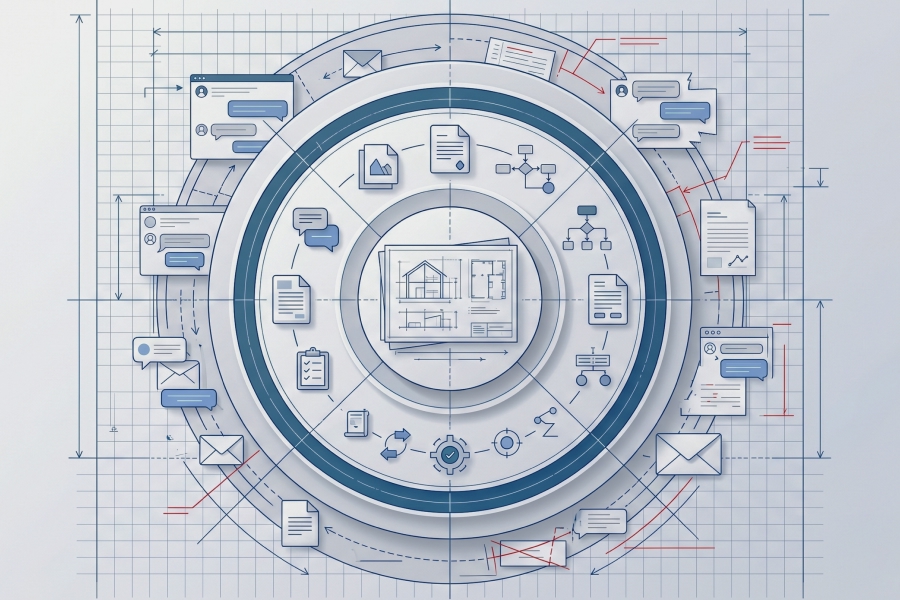
Communication failure is costing your firm millions. The fix isn't more software, but stopping the one thing everyone already agreed to hate.
Qflow won Bluebeam's Startup Spotlight at Unbound 2025. What happened next was the more interesting story.
Bluebeam Revu helps construction estimators produce faster, more accurate quantity takeoffs with automatic scale calibration, Dynamic Fill for complex areas, VisualSearch for counting and Quantity Link for live Excel integration. One contractor caught a $50,000 measurement error on the first project.
ClearTech Engineered Solutions, a Dublin-based post-tensioning specialist, increased its project win rate by 50% after implementing Bluebeam Revu for digital estimation — cutting its printing budget by two-thirds, reducing drawing comparison time from half a day to 25 minutes, and expanding from Ireland to international markets including Asia and the Middle East.