

The Critical Importance of Building ‘Net Zero’ Homes
Newly built homes are increasingly energy efficient, but there is still a long way to go, especially when it comes to retrofitting the country’s existing housing stock.

Newly built homes are increasingly energy efficient, but there is still a long way to go, especially when it comes to retrofitting the country’s existing housing stock.

Say what now? That’s right—most would agree that mushrooms sauteed with onions atop anything is delicious. It turns out the ingredient may also be a game-changer as a building material that also helps reduce construction waste
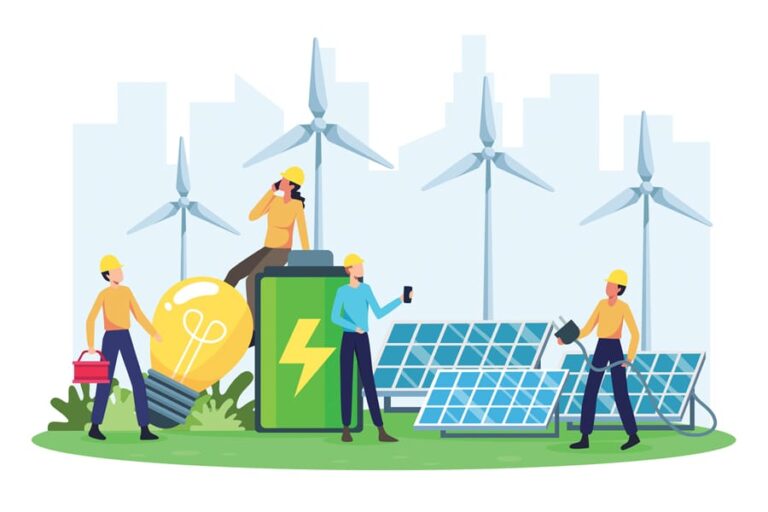
Chris Gorse, professor of construction engineering and management at Loughborough University, talks about how construction can be more sustainable

From historic building conversions to innovative stadium construction, these were the top stories of the Built Blog in 2022

University of Virginia researchers have proven that 3D printing geometrically complex structures made of soil and seeds is possible, spotlighting a critical innovation in the quest to make construction more environmentally sustainable
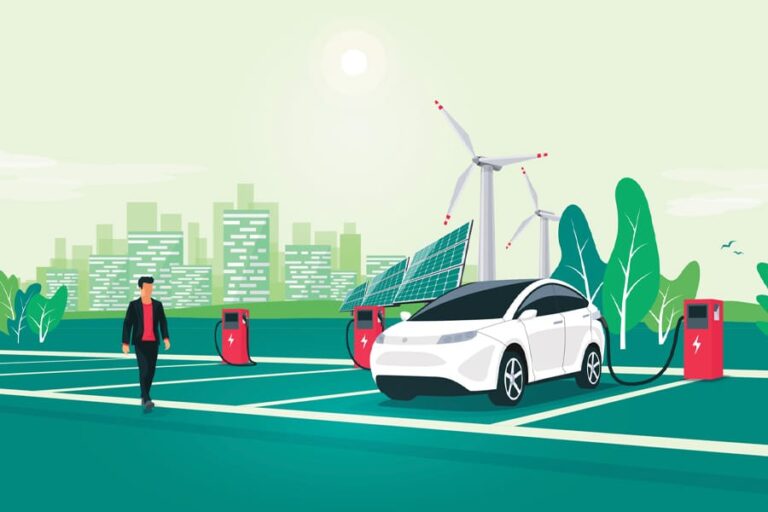
More than half of the world’s population lives in cities, and they’re only going to get bigger. As pressure on infrastructure grows, planners are considering a more sustainable model.
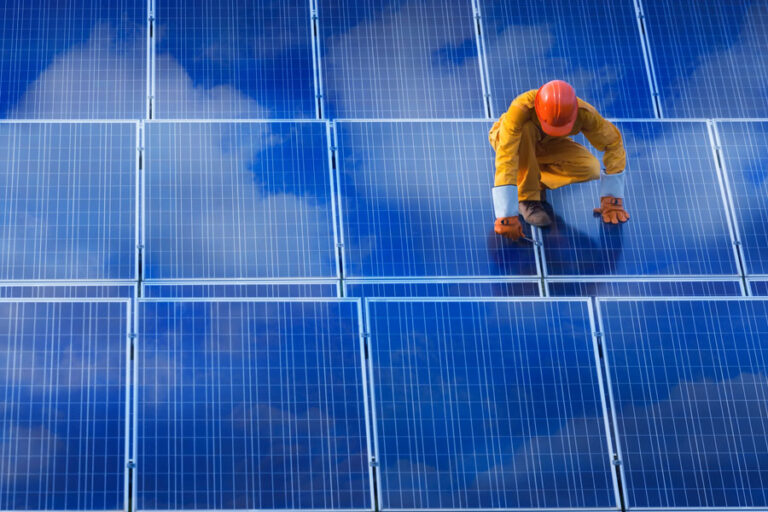
Humans have been using the sun’s energy for millennia, but only now can industries like construction fully embrace the world’s most readily available, renewable and sustainable source of energy.

Construction companies are using technology to reduce their impact on the environment.

As the construction industry responds to climate change and calls to use more sustainable materials, timber is growing in importance.

Given the level of carbon emissions construction generates, the industry knows it has to smarten up its environmental act. Part of the sector’s response will be to embrace more green construction materials, while some, like timber, have been a part of the industry for centuries.

Environmental, social and governance (ESG) has become the buzz acronym for construction in recent years—and with good reason. Here’s how following an ESG framework helps firms reduce risk, deliver better outcomes and enhance reputation.
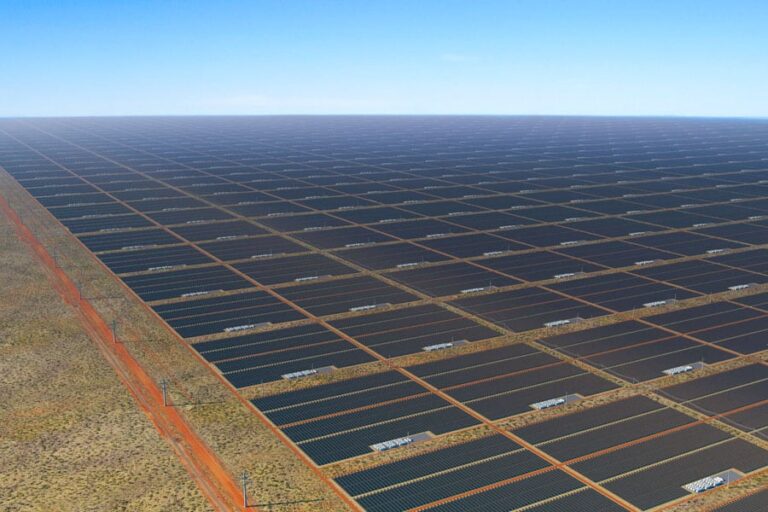
Southeast Asia is at risk of extreme weather events due to climate change. A partnership between Australia, South Korea, Japan and Singapore will leverage Australia’s wind and solar capacity through the construction of two major renewable energy projects.
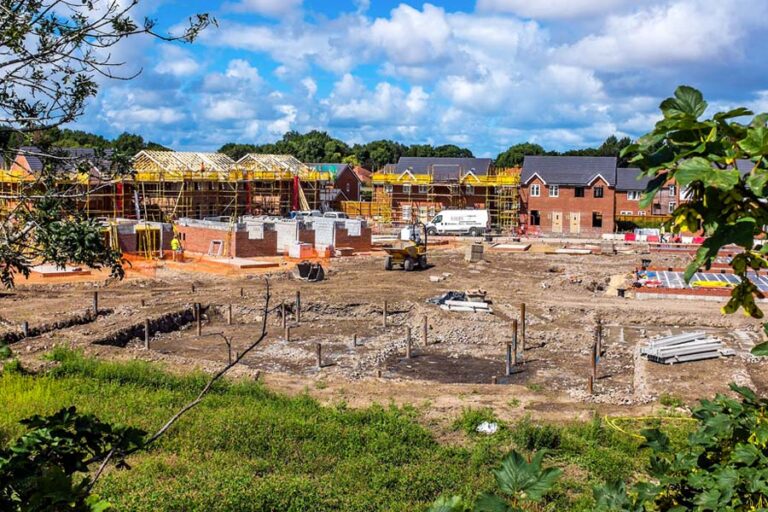
The UK has a new prime minister who wants to shake up housing delivery by building more on green belt land. But this would be fiercely contested; is the answer to build more homes on brownfield sites?

The demand for housing in the UK is putting pressure on land, with the consequence that greenfield sites—those that have never been built on—are increasingly seen as a development opportunity.

The world’s largest solar farm is to be built in the Philippines as part of the government’s plan for reaching renewable targets in accordance with its National Renewable Energy Plan.


