

Can modular construction solve the housing crisis?
Manufacturing homes in a factory can lead to quicker delivery times and bolster quality
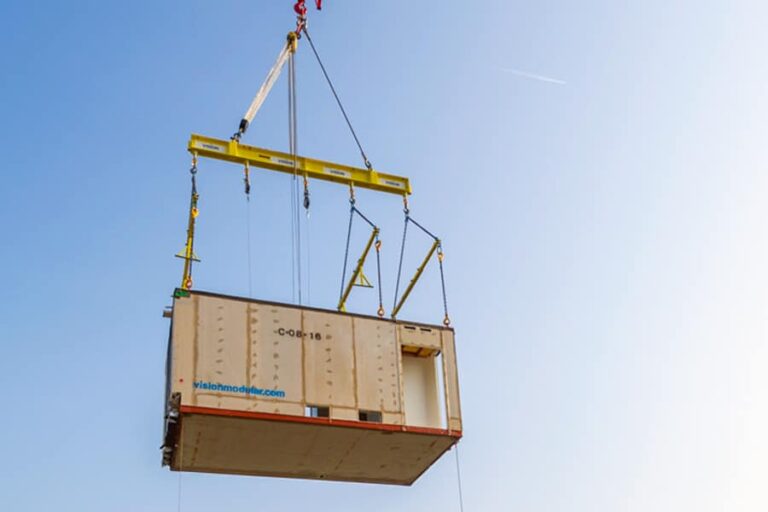
Manufacturing homes in a factory can lead to quicker delivery times and bolster quality
Arcadia hopes creating a more accessible solar energy ecosystem will help construction reach its long-term sustainability goals

Homes have been created underground since prehistoric times, but with the climate emergency getting worse and the issue of land availability becoming more pressing, could we see the construction of more subterranean homes?
Wood, concrete, plastic and many other building materials can be found in stores these days. But what are the advantages and disadvantages of building materials? An overview.
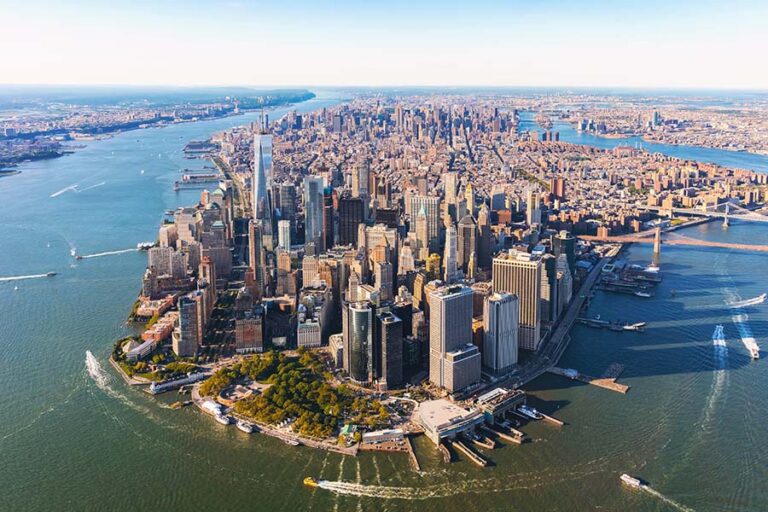
The East Side Coastal Resiliency Project aims to safeguard part of America’s most-populous city from potential flooding induced by rising sea levels

The property developer and builder aims to achieve net zero emissions by 2025 and absolute zero by 2040. Here’s what its head of sustainability says other firms can do to reach aggressive targets

Concrete is the most common material used in construction, but manufacturing its primary binder—Portland cement—causes greenhouse gas emissions, putting pressure on the industry to find a more environmentally sustainable solution
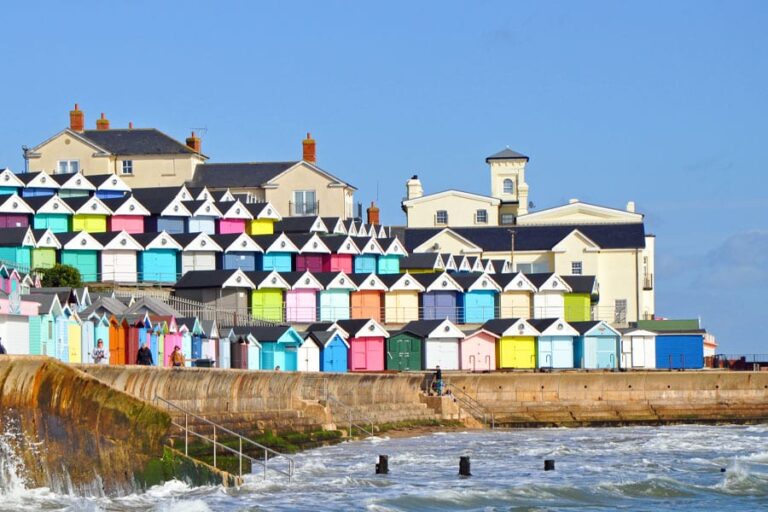
Rising tidal activity, in part driven by climate change, increasingly threatens coastal communities. Officials are assessing shore defenses around the country, including considering seawalls. But are such structures the answer, or are there more effective alternatives?

Engineers have a crucial role to play in making the built environment greener, particularly when it comes to delivering infrastructure that impacts the world around us. In an interview with Bluebeam, expert Tim Chapman of Arup and the Institution of Civil Engineers spells out what needs to be done.
The construction industry needs to address not only the operational carbon of a building – what it emits throughout its use – but the embodied carbon in buildings, which is linked to the materials used to deliver it, along with the construction activity itself.

Property developers deliver our homes, offices and the facilities we regularly use. However, these organizations often gain a reputation for dodgy behaviour, shoddy practices and poor quality. How can the sector ditch its tag of being unethical and embrace better working methods?
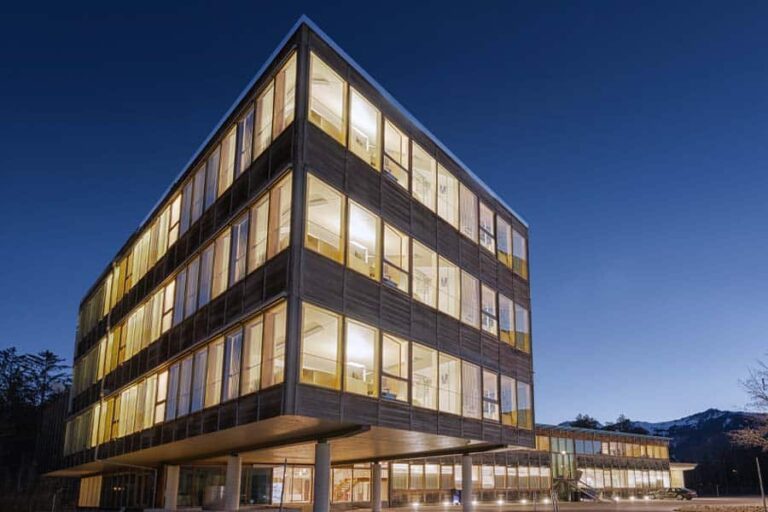
With pressure building for the construction sector to address its carbon emissions as part of the battle to reverse the impact of climate change, designers and others are coming up with innovative ways “to do their bit” using materials like timber.
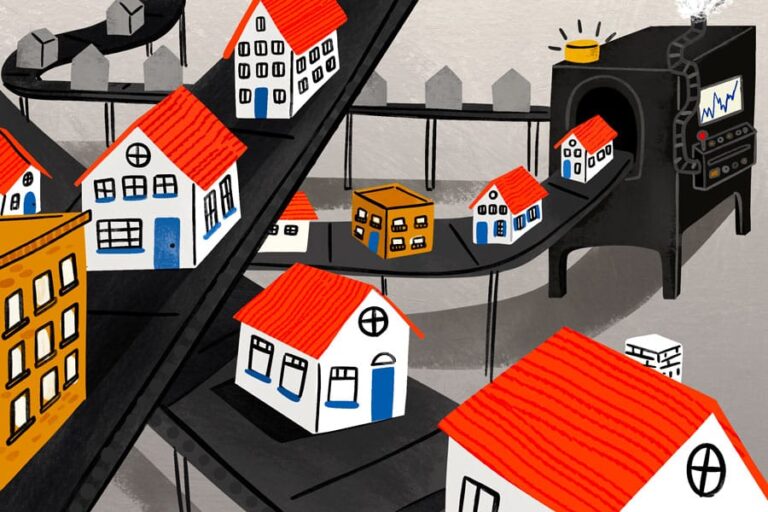
In an era of high costs and limited materials, construction firms aim to make greener building more cost-effective with inventive products and methods
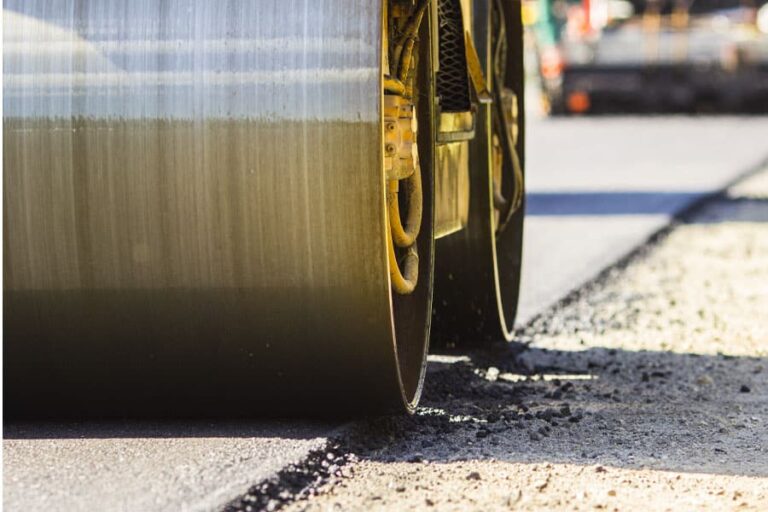
To determine how to lessen the climate impact in the short and long term, researchers in Sweden took a comprehensive look at a highway project and its associated supply chains

The rapidly growing capital of Finland hopes the light rail project completed in 2027 will complement its eco-friendly transportation culture by providing a reliable alternative to automobiles


