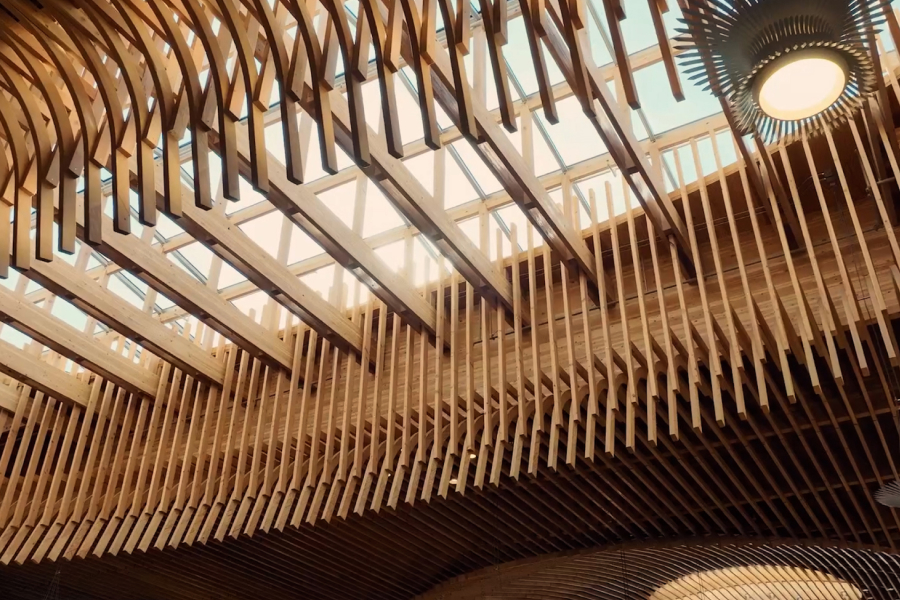
When travelers step into Portland International Airport‘s new main terminal, the first thing they see is nine acres of timber soaring overhead — a wood canopy engineered to survive a magnitude 9.0 earthquake, filtering daylight across 72 full-size trees.
The roof was prefabricated in 18 massive sections, each the size of a football field, then rolled across the tarmac and slid into place overnight while ticketing, security and baggage operations kept running below.
Most passengers don’t think about what it took to build it. They just look up.
Behind that canopy sits a different kind of architecture — nearly 6,000 coordinated drawing sheets, thousands of stakeholders, and a documentation effort that became the largest permit set in Oregon history. At $2 billion and 1 million square feet, the Terminal Core Redevelopment was the biggest public works project the state had ever attempted. And it could never, for a single day, shut the airport down.
“Everybody loves Portland International Airport,” said Nat Slayton, principal and senior technical designer at ZGF Architects, the project’s design lead. “It’s a place that belongs to the community. That was the challenge: how do you evolve it while making it something people will love just as much as the original?”
Then COVID hit. And the hardest part of the project got a lot harder.
When the War Room Went Dark
Before 2020, collaboration at ZGF meant proximity. Walls plastered with drawings. Teams shoulder to shoulder, talking through conflicts, marking up together in real time.
“We had entire walls just covered in drawings,” recalled Michael Adams, BIM manager at ZGF. “You’d bring people into the room, talk through a problem and mark it up together.”
COVID eliminated that overnight. The largest project that City of Portland has ever permitted was suddenly scattered across home offices. And the project couldn’t pause.
“All of that scale and inertia collided with COVID,” Slayton said. “It was the largest project the state had ever seen — and then COVID hit at the worst possible moment.”
That’s when Bluebeam stopped being a tool and became something closer to infrastructure.
A New Front Door
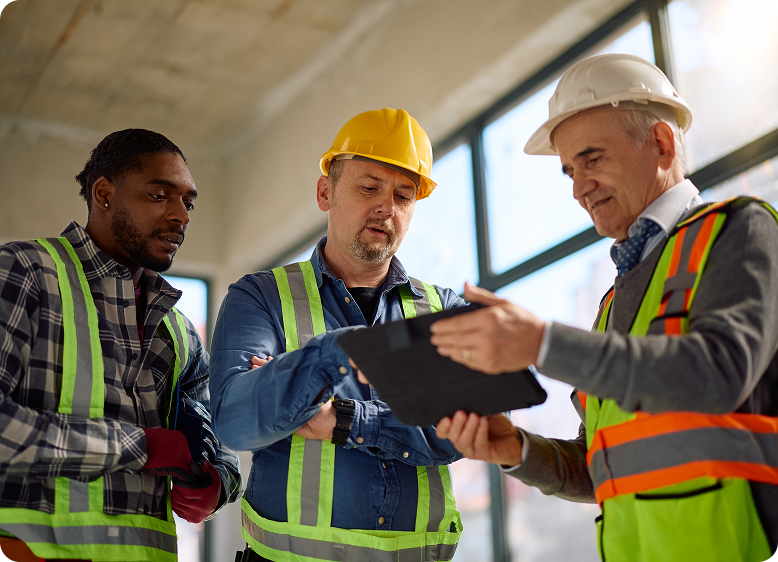
ZGF moved its entire workflow into Bluebeam Studio Sessions — shared digital environments where dozens of stakeholders could mark up the same drawing set simultaneously, from anywhere. What had required everyone in the same room now happened virtually without slowing the project.
“It quickly turned into my front door,” Adams said.
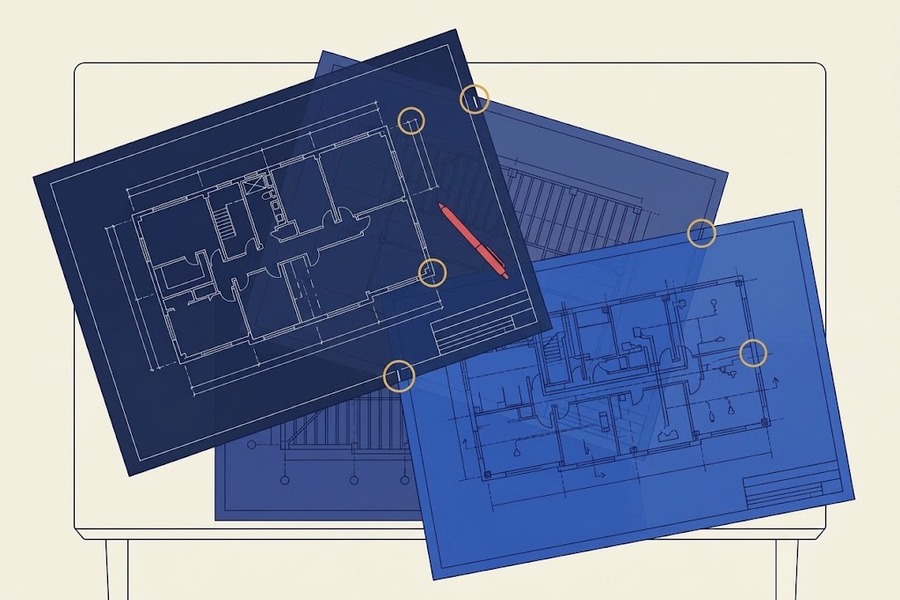
The team crowdsourced tool sets across disciplines. Color-coded markup standards gave structural engineers in one time zone and architects in another a shared visual language — no confusion about who flagged what or what had been resolved. Sets linked thousands of documents into a single navigable system. Slip Sheeting kept revisions clean. Status tracking made accountability visible to everyone, including owners and contractors.
Review cycles that once took weeks compressed into days. Discrepancies surfaced before they became field problems. Markup histories created a living audit trail that project leads could pull up at any point.
But one of the more unexpected benefits was what it did for the people earliest in their careers.
“You could see how experienced people thought through a problem,” said project architect Christian Schoewe. “That kind of access wouldn’t have been possible in the old room setup.”
In the war room model, junior staff rarely witnessed how senior designers reasoned through complexity. In Studio Sessions, that reasoning was right there in the thread — visible, traceable, instructive. Coordination became mentorship without anyone planning it that way.
Memory, Not Just Efficiency
Years into construction, Schoewe used Bluebeam’s archive to pull a markup that justified a critical roof detail. The digital record was still there. The decision was documented. The team avoided a costly omission.
That moment captures something the speed metrics don’t. Digital delivery isn’t just faster — it’s persistent. When markups, resolutions and revision histories live in one centralized system, institutional knowledge survives personnel changes, project phases and the passage of time.
On a project that stretched across years, across a pandemic, across tens of thousands of daily travelers moving beneath active construction — that kind of continuity wasn’t a nice-to-have. It was operational risk management.
The Part That Stays with You
The PDX terminal opened to the public, and Schoewe walked through the completed ticketing hall and watched passengers look up at the timber canopy for the first time.
“I still get a kick out of seeing people’s reactions,” he said. “You can almost read their lips: How did they do that with all that wood?”
For Slayton, the pride was in who built it. Douglas fir sourced within 300 miles. Timberlab crews assembling the massive roof panels. Local artists filling the concourses with public work. “This was made by the talents and skills of the people they live with in their state,” he said.
For Adams, it came down to something simpler. Every decision — wider security lanes, more daylight, open green space — was measured against one question. “That was the mission,” he said. The passenger.
The lesson extends well beyond Portland. As civic infrastructure grows more ambitious and more constrained by operational realities, the ability to coordinate at scale — without physical proximity, without shutting anything down — becomes the thing that determines whether a project survives its own complexity.
At PDX, that ability didn’t come from a single engineering breakthrough. It came from disciplined information management, built on a digital backbone that held through COVID, construction and everything in between.