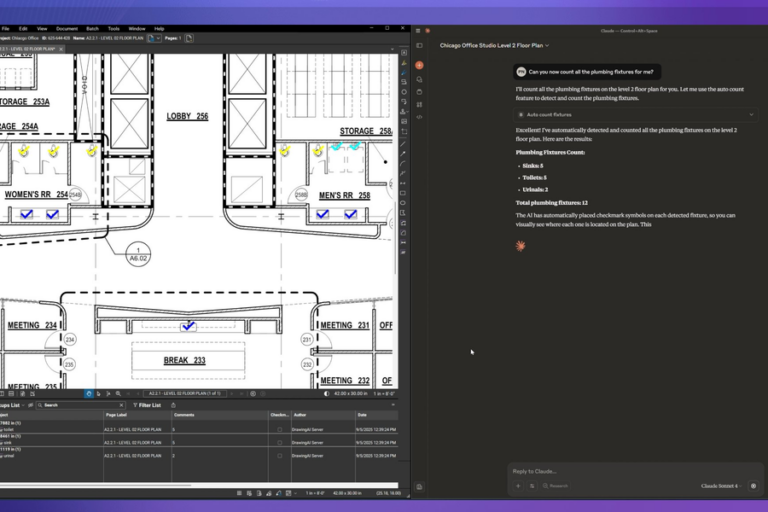
AI Can Read Your Specs. But Can It Read Your Drawings?
Why the next phase of construction AI may depend less on chatbots — and more on spatial intelligence.
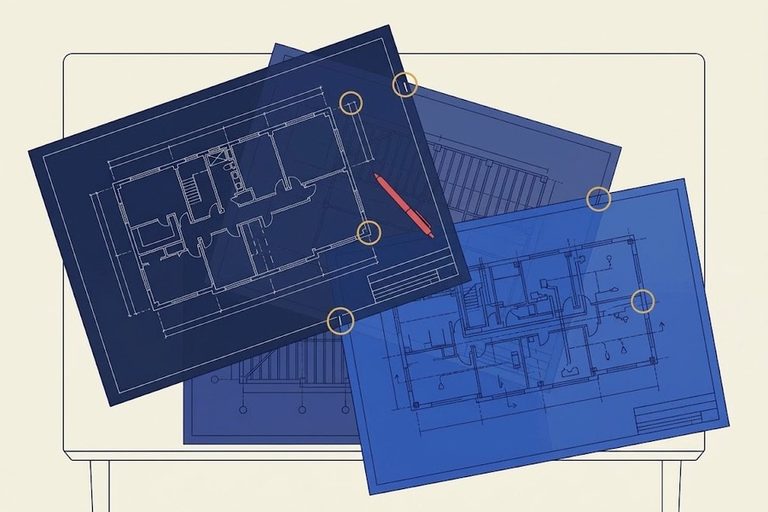
Because the last thing your project needs is another markup nobody acts on.
Qflow won Bluebeam’s Startup Spotlight at Unbound 2025. What happened next was the more interesting story.
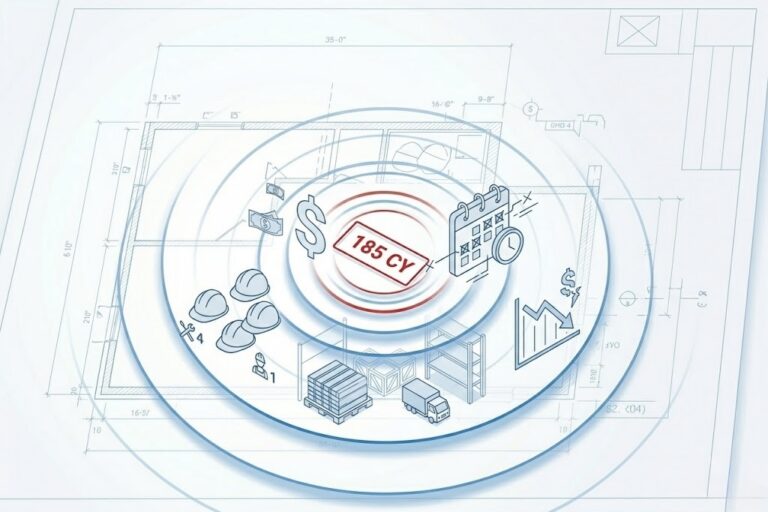
The firms adopting AI the fastest are also the most exposed to a supply chain risk the industry hasn’t faced before — one that looks a lot like lumber in 2021. Here’s what the smartest teams are doing about it.
On the state’s biggest public works project, the hardest part wasn’t the engineering but keeping 6,000 sheets — and an entire team — in sync.
Most construction profits don’t die in the field; they’re killed weeks earlier, at a desk, when someone writes down the wrong number.
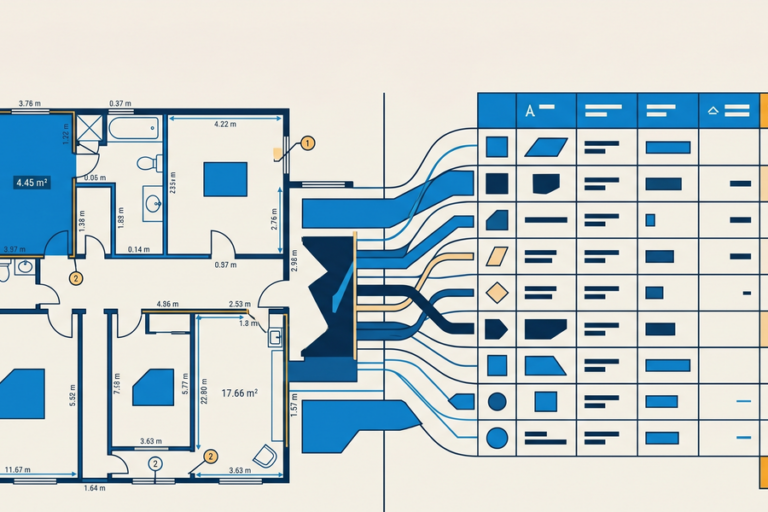
Revisions don’t break estimates. Weak takeoff workflows do.
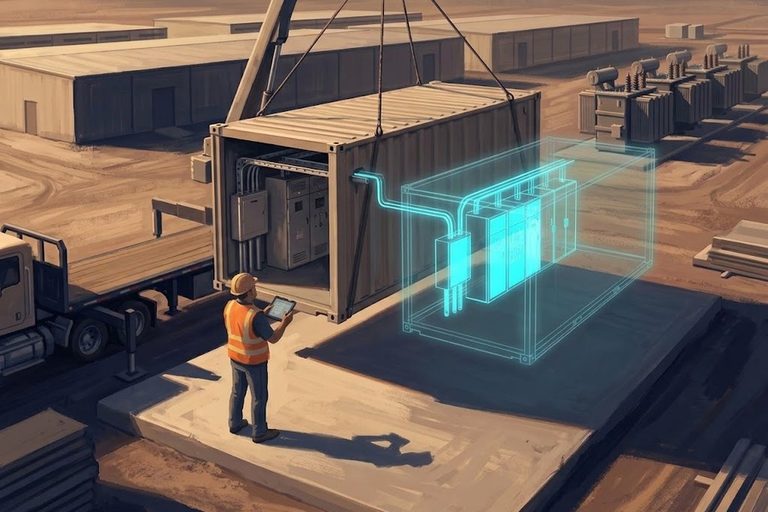
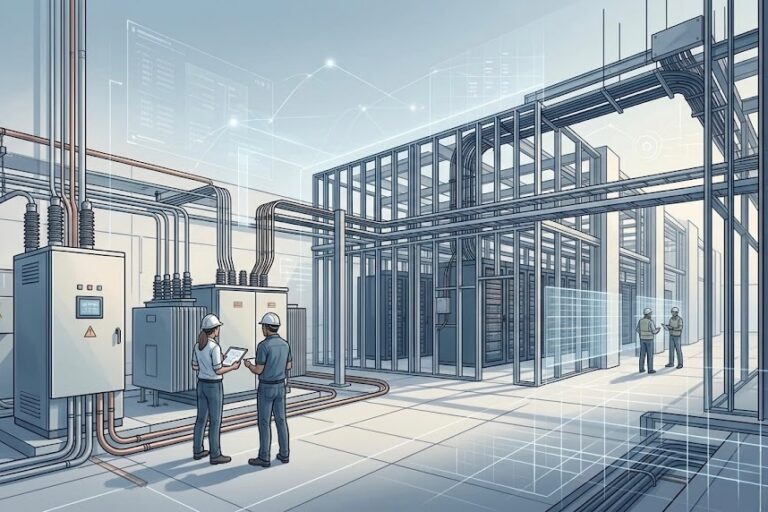
As Amazon’s copper deal shows, the biggest constraint on artificial intelligence isn’t computing power, but the slow, friction-filled systems required to build and power it.
One woman’s story of building a career on curiosity, community and showing colleagues another way.
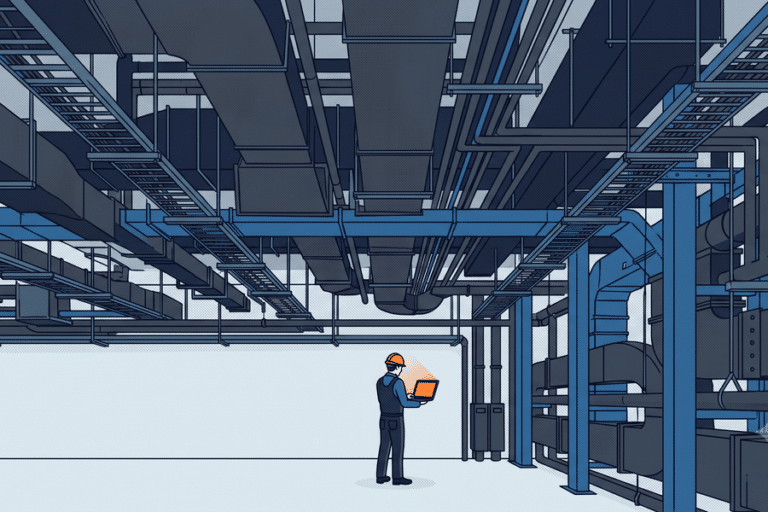
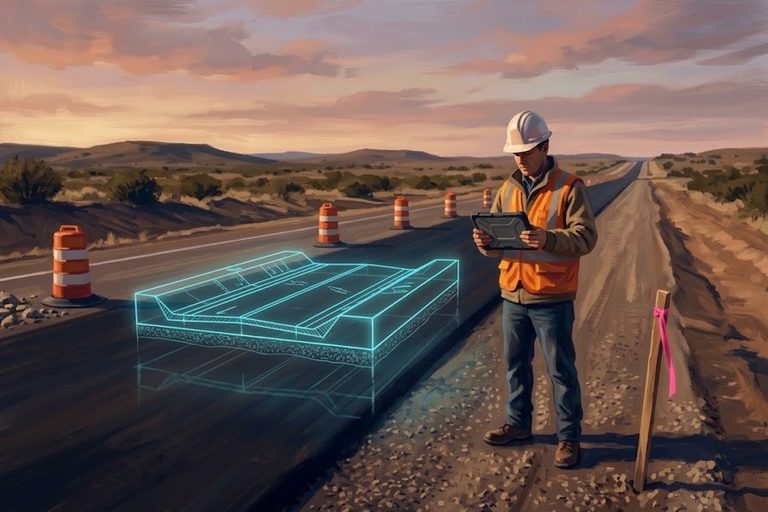
AI-ready machines have arrived, but the workflows behind them are still stuck in the trailer.
AI-driven demand is pushing the power grid to its limits, but the real constraint isn’t generation, but how slowly infrastructure moves through permitting, interconnection and approval.
New Bluebeam research reveals firms accelerating digital adoption while struggling to fully connect their tools.
Manual processes are still draining time and money from projects, and AI may finally give teams the edge they need.
From underground lines to orbital satellites, utilities are racing to keep sparks from becoming infernos
Construction robots aren’t hype—they’re already slashing crews, costs and build times on real jobsites