October 2021

Tech
Adoption
Week

#TechAdoptionWeek

About

Welcome to Tech Adoption Week 2021

Welcome to the first annual Tech Adoption Week! Over the next few days, we’ll be exploring fresh ways to help you navigate change and ease tech adoption at your organization.

Check back here every day for new stories and follow Bluebeam on Facebook, Instagram, LinkedIn and YouTube for the latest updates.
Tech Adoption Week 2021
artificial intelligence in construction
Featured
NAIDOC Week is a time to reflect on and appreciate the contributions of First Nations people in Australia. Discover the significance of NAIDOC Week, the role of elders, and the importance of engaging with Indigenous voices. Learn about Danielle Leedie Gray, a First Nations graphic artist and designer, and how businesses can support and collaborate with First Nations artists. Explore ways to create a more inclusive and respectful environment in the design, engineering, and construction industries.
Discover how Wamarra, an Aboriginal-owned civil contractor in Australia, is revolutionising the construction industry by providing full-time employment, career pathways, and training opportunities for First Nations people. Learn about their approach to building sustainable Indigenous employment, creating economic independence, and empowering Aboriginal communities.
Discover the success story of Downer Group's Reconciliation Action Plan (RAP) and its impact on the construction industry. Explore how their commitment to Indigenous employment, cultural respect, and community engagement has transformed their business. Learn about the power of RAPs in driving economic equity, fostering positive relationships, and creating a more inclusive future.
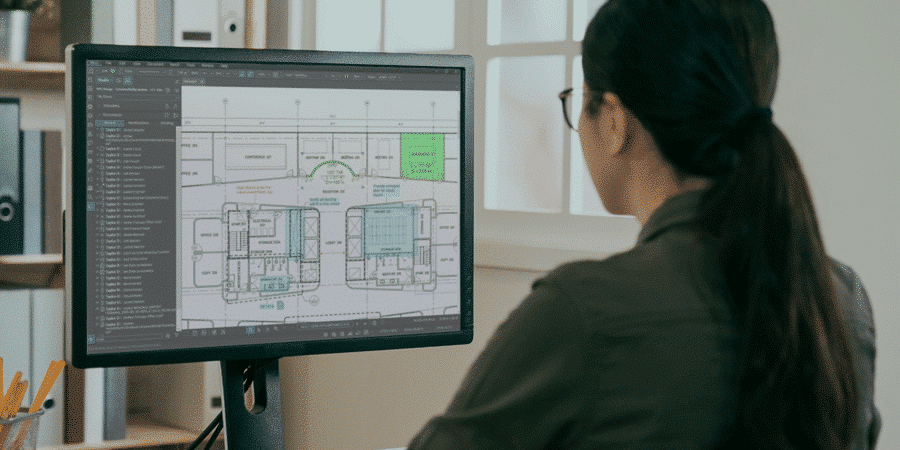
Cluttered markups can proliferate construction plan documents in today’s digital world. Thankfully, Bluebeam’s Markups List is a powerful tool to quickly organize things in a meaningful way
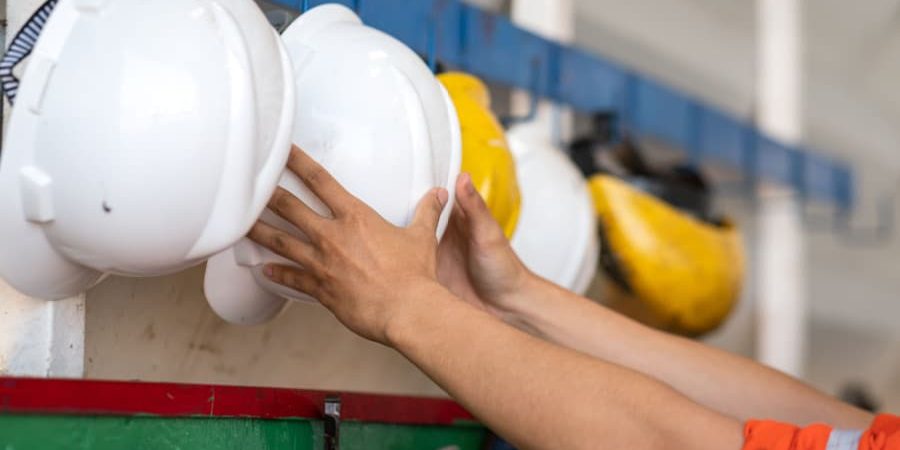
With the construction industry increasingly focused on worker safety, more firms are embracing new-age helmets that provide better protection vs. the traditional hard hat.
Discover the importance of resilient design and construction in the Asia-Pacific region, which is highly susceptible to natural disasters. Learn how resilient materials, innovative construction methods and green infrastructure can increase the strength and durability of buildings and infrastructure.
Societal shifts following the COVID-19 pandemic—namely the rise of remote work—have left millions of square feet of office space vacant. But converting those buildings to housing and other potential uses comes with several building complications
Inspired by the environmental advantages of wood construction, the European city recently passed groundbreaking legislation mandating that all new buildings constructed after 2025 consist of at least 20% wood or other biobased material (from 2022)
Australia-wide, skills shortages are emerging as wicked problems for a range of sectors and their workforces, leading to businesses taking on employees who are not the best fit for key jobs. Learn the pivotal jobs in construction delivery where how and who you recruit can make or break your business.
The advent of the computer saw construction’s potential take a leap forward with CAD and BIM. Now advances in computational design are helping the industry—from architects to on-site contractors—deliver better buildings more efficiently.
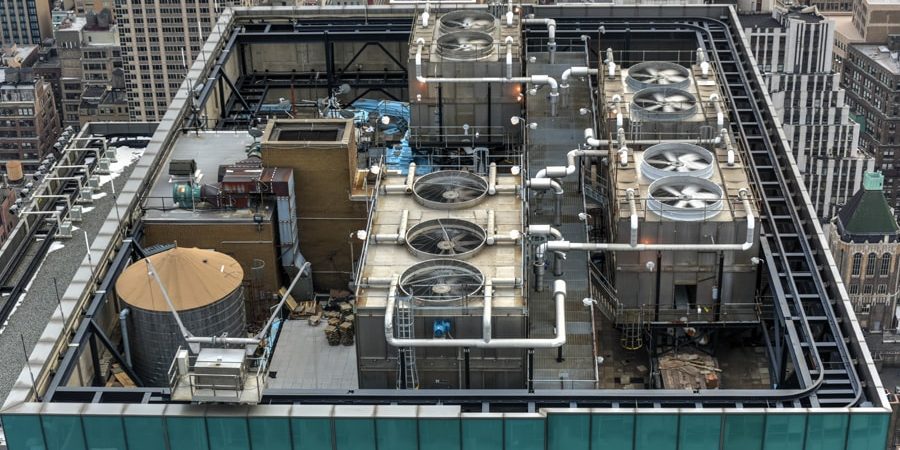
Making construction more environmentally sustainable is a vital focus for the industry. Here, we look back on Built’s most recent top stories about the industry’s sustainability push
Cities across the globe have experienced urban blight, where districts that have seen a significant downturn in fortunes are abandoned and residential and business properties left vacant. Responding to this change in fortunes is becoming an industry in itself.
The construction sector’s productivity challenges are well known. The advent of the Internet of Things – part of the Fourth Industrial Revolution – could see the industry’s processes and resulting buildings become more efficient.
The word ‘backlog’ summons up images of work being held up, delays and pressure. But in construction a backlog can be a good thing because it can show a potential client that a contractor is in demand. However, it’s not always simple.
The fine balance between adequate staffing levels, meeting business demands and optimising your resources across Australia’s construction industry has never been more challenging. Learn how to be lean and agile, doing more with less.
Once the hard work of evaluating, implementing and measuring the impact of a digital solution is complete, the last step is to invigorate your team to make the most of the new, powerful tool
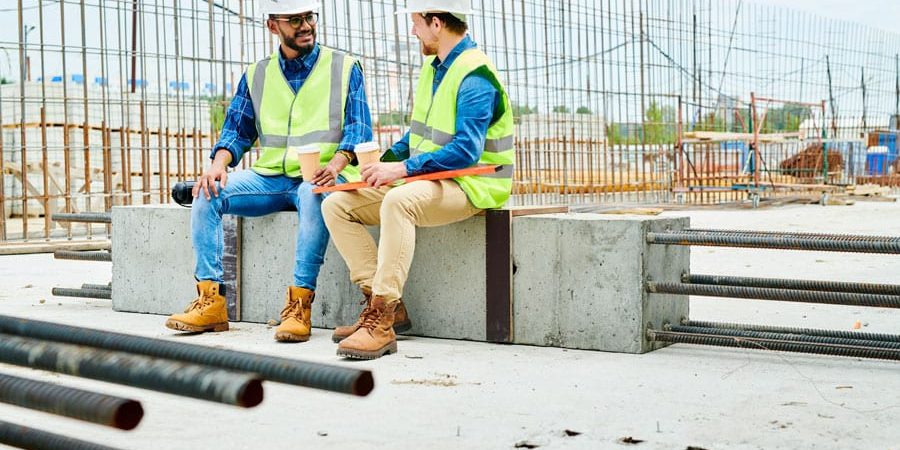
When quantity takeoff workflows are simple and accurate, entire construction projects go more smoothly—here’s how technology can help
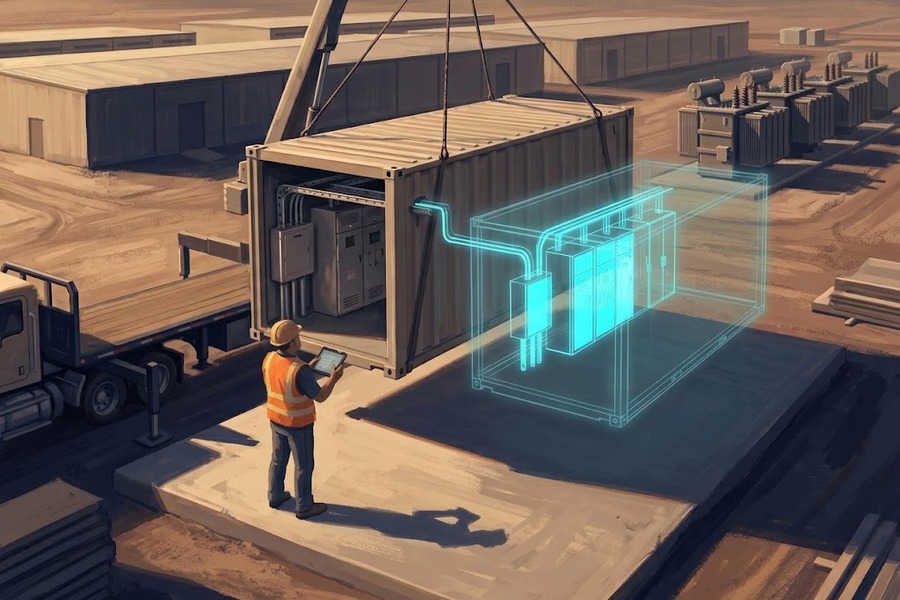
The construction industry is constantly looking for new ways to improve, whether that’s in terms of productivity, efficiency, safety or profitability. Would increased use of artificial intelligence and machine learning be the way to deliver these enhanced efficiencies?
Companies like Alpine Archaeological Consultants are part of a $1 billion industry devoted to cultural resource or heritage management in the construction industry