
October 2021

Tech
Adoption
Week

#TechAdoptionWeek

About

Welcome to Tech Adoption Week 2021

Welcome to the first annual Tech Adoption Week! Over the next few days, we’ll be exploring fresh ways to help you navigate change and ease tech adoption at your organization.

Check back here every day for new stories and follow Bluebeam on Facebook, Instagram, LinkedIn and YouTube for the latest updates.

Tech Adoption Week 2021
artificial intelligence in construction
Featured
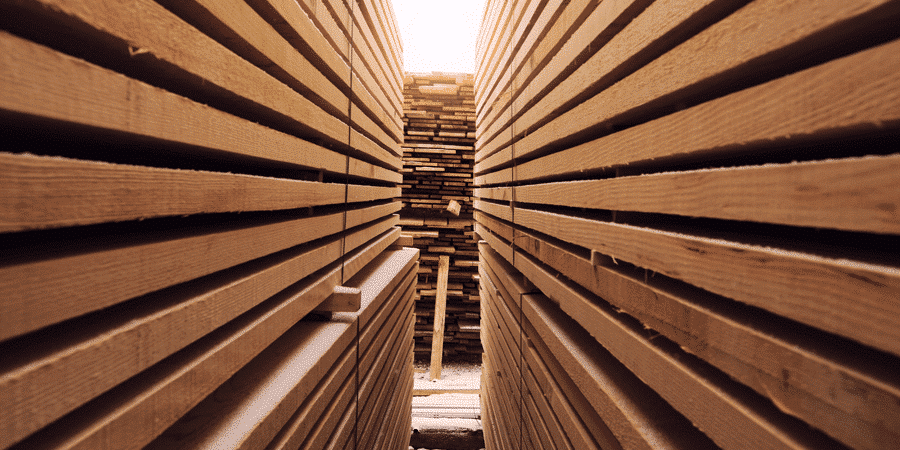
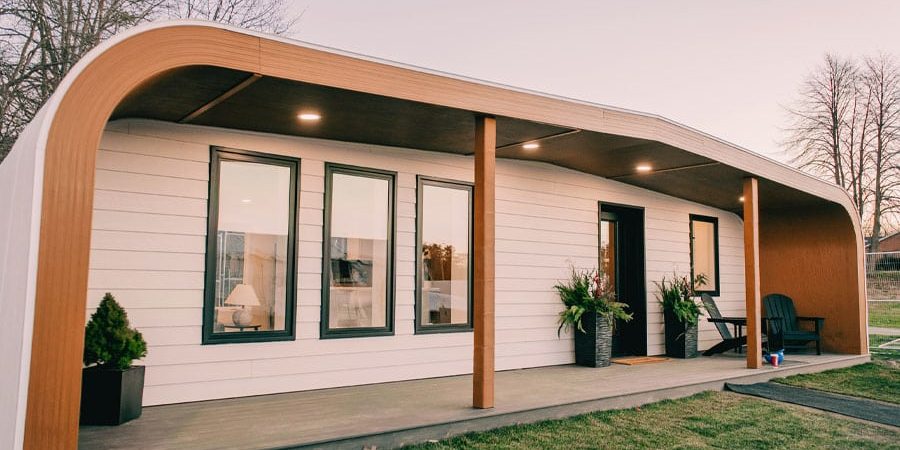
Inspired by the environmental advantages of wood construction, the European city recently passed groundbreaking legislation mandating that all new buildings constructed after 2025 consist of at least 20% wood or other biobased material (from 2022)
Australia-wide, skills shortages are emerging as wicked problems for a range of sectors and their workforces, leading to businesses taking on employees who are not the best fit for key jobs. Learn the pivotal jobs in construction delivery where how and who you recruit can make or break your business.
The advent of the computer saw construction’s potential take a leap forward with CAD and BIM. Now advances in computational design are helping the industry—from architects to on-site contractors—deliver better buildings more efficiently.
Making construction more environmentally sustainable is a vital focus for the industry. Here, we look back on Built’s most recent top stories about the industry’s sustainability push
Cities across the globe have experienced urban blight, where districts that have seen a significant downturn in fortunes are abandoned and residential and business properties left vacant. Responding to this change in fortunes is becoming an industry in itself.
The construction sector’s productivity challenges are well known. The advent of the Internet of Things – part of the Fourth Industrial Revolution – could see the industry’s processes and resulting buildings become more efficient.
The word ‘backlog’ summons up images of work being held up, delays and pressure. But in construction a backlog can be a good thing because it can show a potential client that a contractor is in demand. However, it’s not always simple.
The fine balance between adequate staffing levels, meeting business demands and optimising your resources across Australia’s construction industry has never been more challenging. Learn how to be lean and agile, doing more with less.
Once the hard work of evaluating, implementing and measuring the impact of a digital solution is complete, the last step is to invigorate your team to make the most of the new, powerful tool
When quantity takeoff workflows are simple and accurate, entire construction projects go more smoothly—here’s how technology can help
The construction industry is constantly looking for new ways to improve, whether that’s in terms of productivity, efficiency, safety or profitability. Would increased use of artificial intelligence and machine learning be the way to deliver these enhanced efficiencies?
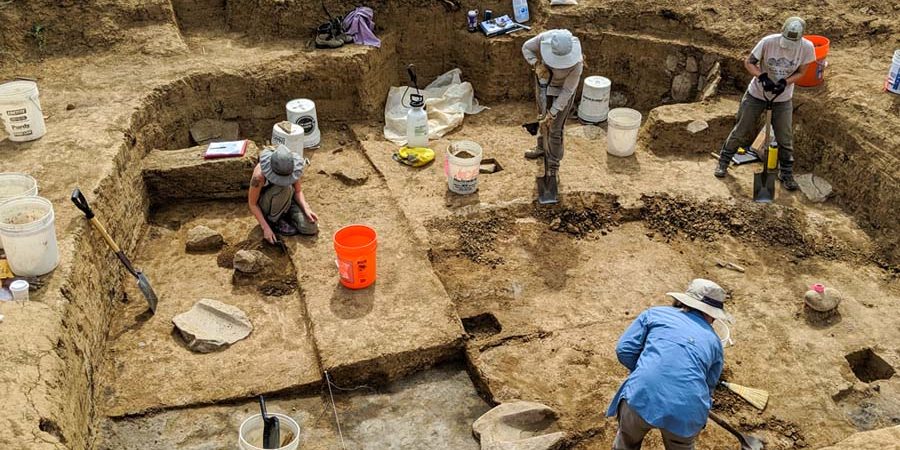
Companies like Alpine Archaeological Consultants are part of a $1 billion industry devoted to cultural resource or heritage management in the construction industry
The UK generates enormous quantities of construction waste; in 2018, such waste amounted to 138 million tonnes. By designing and building better, the sector hopes to reduce the amount of materials needed—and waste generated.

Making the industry more environmentally sustainable requires the transition from the linear approach to construction to a more circular model that offers additional advantages in overall cost, materials pricing and supply security
Inflation, supply chain bottlenecks and near-term economic uncertainty have recently clouded contractors’ ability to forecast their project costs
The 35-year-old welder is using social media to inspire future generations to enter the trade—and to promote her larger ambitions that aim to help the Black community across industries (from 2021)
Breaking into the construction wear industry was not easy for Eve Workwear, but after 12 years, the company is successfully meeting the needs of female construction workers.